10 anime openings I rewatch while coding — and why anime music is its own genre
After 7 years coding with music, I realised anime OPs have something ambient music doesn't: 90 seconds of buildup + climax + outro — full emotional arc in under 2 minutes. Here are the 10 OPs I've looped through 2025-2026 and why anime music fits coding strangely well.
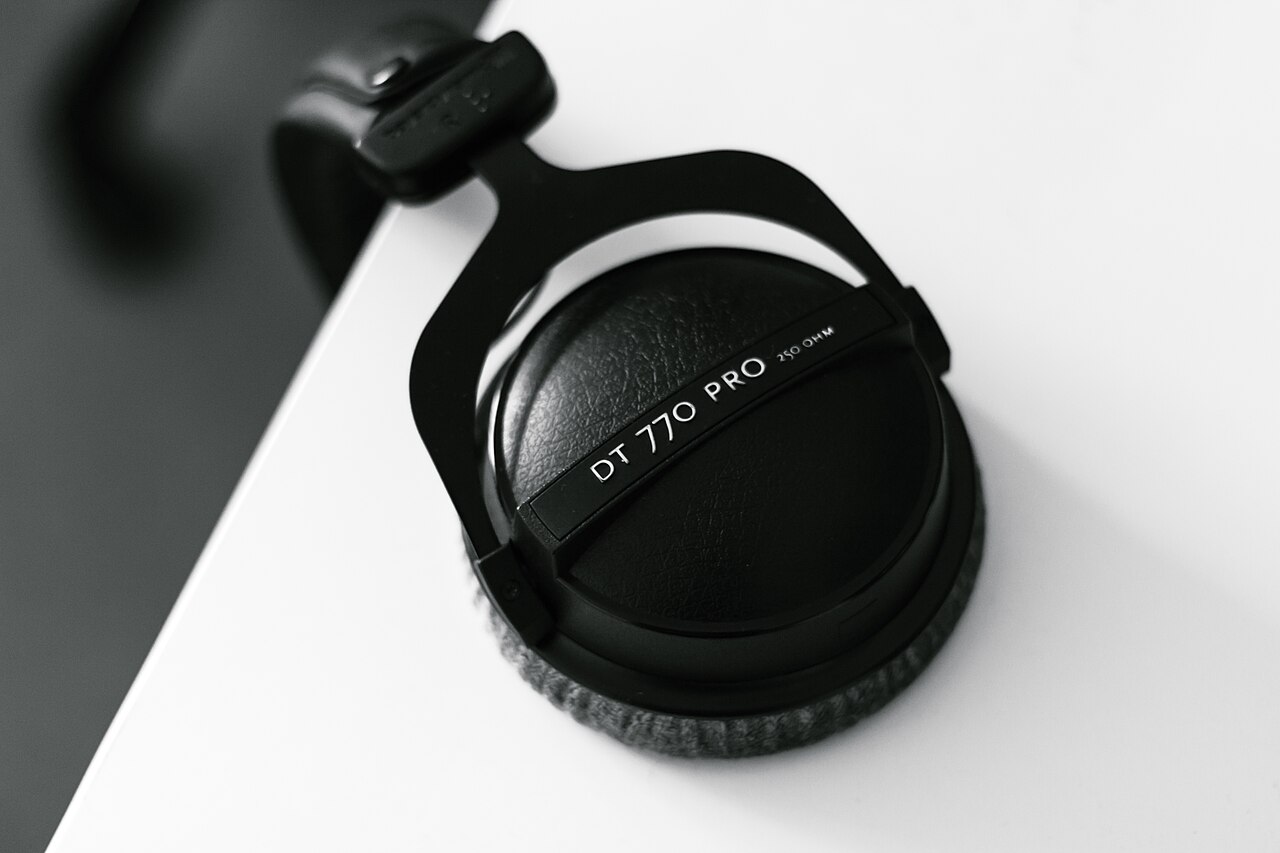
I’ve coded with music since 2019. I’ve tried:
- Lo-fi hip-hop — asleep after 2 hours.
- Classical — beautiful but no “kick” to push through the hard parts.
- Game OSTs (Zelda, Hollow Knight) — great for exploring code, bad for deadlines.
- Heavy metal / EDM — too revved up, I type more typos than code.
I eventually landed on something I didn’t expect: anime opening songs. Not full anime OSTs — specifically the opening track (OP), 89-100 seconds long.
After 7 years coding to music, I think I understand why anime OPs fit coding so strangely well. Below are the 10 OPs I’ve been looping through 2025-2026.
Why anime music is its own genre
Most music you put on while working is built for albums (5-15 minutes per track) or DJ sets (longer). The goal is to fill time.
Anime OPs are different. An OP has to:
- Set the mood of the show in the first 5 seconds (because viewers can skip)
- Build a 89-100 second arc: intro → verse → bridge → climax → outro
- Have a hook strong enough that 12 weeks later, viewers still remember it
It’s a compressed song. No filler. No slack. Every second has a job.
When you’re coding, every 90 seconds you have a micro-cycle: start task → focus → push through the hard bit → finish a chunk. Anime OPs match that rhythm. You don’t consciously notice it, but the OP ends right when you need a 2-second mental break to switch context. It’s an emotional timer built into the song.
Compare: a 5-minute lo-fi track — you enter flow, exit flow, no signal that you’ve transitioned. A 3-4 minute Spotify playlist song — too long for one atomic task, too short for a big one.
Anime OP at 90 seconds = perfect time unit for coding.
10 OPs on loop, 2025-2026
Organised by use case, not “best to worst”.
Morning warm-up — moderate energy
1. Frieren OP1 — “Yūsha” (勇者) by YOASOBI
I already gushed about this in my Frieren post. But it stays on top for one reason: the bridge (from 1:30) shifts from piano to full band, tempo nudging up — exactly the “OK, time to get serious” feeling I need to start a hard task.
2. Vinland Saga S2 OP — “River” by Anonymouz
Unlike S1’s adrenaline-fueled “MUKANJYO”, “River” is calm. Anonymouz’s vocal has a wooden texture — not too high, not too low. I open it during morning PR reviews, easing in.
3. Solo Leveling OP1 — “LEveL” by SawanoHiroyuki[nZk]
Sawano Hiroyuki composed Attack on Titan’s OST. This track has a climbing chord progression — you don’t notice it, but the chords keep stepping up, forcing your brain to lift pace. Good for the first 30 minutes before coffee hits.
Pushing through hard bits — controlled adrenaline
4. Chainsaw Man OP — “KICK BACK” by Yonezu Kenshi
This song is weird. The time signature mixes 4/4 with 5/4 (the “doryoku, mirai, a beautiful star” line in Japanese). Your brain has to parse the rhythm constantly → forced focus. When I’ve been stuck on a bug for 30 minutes and need a brain reset, 90 seconds of KICK BACK is the reset.
5. JJK S1 OP1 — “Kaikai Kitan” (廻廻奇譚) by Eve
Eve made “Vampire” (a 2019 hit). “Kaikai Kitan” has a very prominent bassline groove — you stop tracking lyrics, just ride the bass. Good for refactoring code you already understand, bad for new design.
6. Attack on Titan OP1 — “Guren no Yumiya” (紅蓮の弓矢) by Linked Horizon
Cliché, but cliché for a reason. I put it on when a client deadline is closing in and I need “war mode” — 89 seconds with 4 tempo changes, each one pushing you forward. Caution: too much and you get over-stimulated.
Long coding stretches, more ambient
7. Bleach: TYBW OP1 — “Scar” by Tatsuya Kitani
This one is hard to describe. It’s rock but melancholic. Kitani’s vocal has distance — like listening through glass. Great for 2-3 hour deep work stretches: you forget you’re listening to music.
8. Mushishi OP — “Sore Feet Song” by Ally Kerr
Mushishi is an anime from 2005-2006. The OP isn’t standard J-pop — it’s Scottish folk, acoustic guitar + a sad male vocal. When I’m writing a blog post (like this one), Mushishi OP loops better than any lo-fi I’ve tried. Calm but has depth.
9. Hunter x Hunter (2011) OP1 — “Departure!” by Masatoshi Ono
Second cliché. But “Departure!” is the only OP I can loop 30 times in a session without getting tired of it. Maybe because the lyrics are upbeat + medium tempo + Masatoshi Ono sings relaxed, not straining. This is the OP I put on when I’m tired but still have to code.
Bonus — not an OP but used like one
10. Cyberpunk: Edgerunners ED — “Let You Down” by Dawid Podsiadło
This is an Ending Theme, not Opening. But it’s so good I’m listing it. Polish sad-pop + the 6 episodes of Edgerunners + that cliffhanger ending = every listen still hits. I use it at the end of a long coding day, when I’m writing reflectively.
My music-while-coding workflow
I don’t shuffle randomly. I have 3 playlists:
code-warmup(10 OPs, 15 min) — medium-energy OPs, on every morning. When the playlist ends → I’ve warmed up, switch to deep work.code-deep(20 OPs on loop, 40 min) — more ambient OPs (Scar, Mushishi, Departure). Loops, and I forget I’m listening.code-push(5 OPs, 8 min) — high-adrenaline OPs (KICK BACK, Guren no Yumiya). For when a deadline is hours away and I need forced focus.
This isn’t a productivity hack. This is what I keep coming back to after 7 years of testing lo-fi, classical, ambient, white noise.
Why I think this works for devs in general
Code is a task with atomic structure: 1 task = 90 minutes - 4 hours, broken into 5-20 minute micro-tasks. Background music needs to fit the micro-task unit.
- Lo-fi tracks are too long per song (5 min) and have no climax → no clean way to “close” a micro-task.
- Classical pieces are 15-45 min → mood swings exhausting.
- EDM tracks are 4-6 min → too long + too revved.
- Anime OPs at 90 seconds → 1 micro-task = 1 OP. 1 big task = 4-6 OPs on loop. The math works.
Plus anime OPs are made by A-tier composers (Sawano Hiroyuki, Yoko Kanno, Kensuke Ushio, Hiroyuki Sawano [different romanisations of the same guy]) → average quality higher than picking a random indie rock album.
Closing
If you code 6-8 hours/day and you’ve been stuck on the same playlist for 6 months — try a week of coding to anime OPs. You don’t have to like anime. You don’t have to know any show. Spotify search “anime openings 2024” or “shounen anime OP”, shuffle, code.
You’ll discover one of two things:
- It’s not for you — fine, return to your old playlist. Cost: 1 week.
- It clicks — welcome to the small club of devs who hit deadline night fueled by Linked Horizon.
I’m still listening to Frieren OP1 as I write this closing. That’s OP #47 in the code-deep playlist today. Maybe I’ll change playlists next month when the new anime season starts. Maybe not. When you find the right tool, you stop swapping.
Sources
- Frieren OP1 “Yūsha” (YOASOBI) (Spotify).
- Vinland Saga S2 OP “River” (Anonymouz), 2023.
- Solo Leveling OP1 “LEveL” (SawanoHiroyuki[nZk]), 2024.
- Chainsaw Man OP “KICK BACK” (Yonezu Kenshi), 2022 — won Crunchyroll Anime of the Year 2023.
- JJK S1 OP1 “Kaikai Kitan” (Eve), 2020.
- Attack on Titan OP1 “Guren no Yumiya” (Linked Horizon), 2013.
- Bleach: TYBW OP1 “Scar” (Tatsuya Kitani), 2022.
- Mushishi OP “Sore Feet Song” (Ally Kerr), 2005.
- Hunter x Hunter (2011) OP1 “Departure!” (Masatoshi Ono), 2011.
- Cyberpunk: Edgerunners ED “Let You Down” (Dawid Podsiadło), 2022.